KNOWLEDGETechnologies2 MIN READ
When CNC machining beats SLS
Threads, sliding surfaces, close fits and flatness. When to consider machining or metal hardware and when to change an SLS part's design.
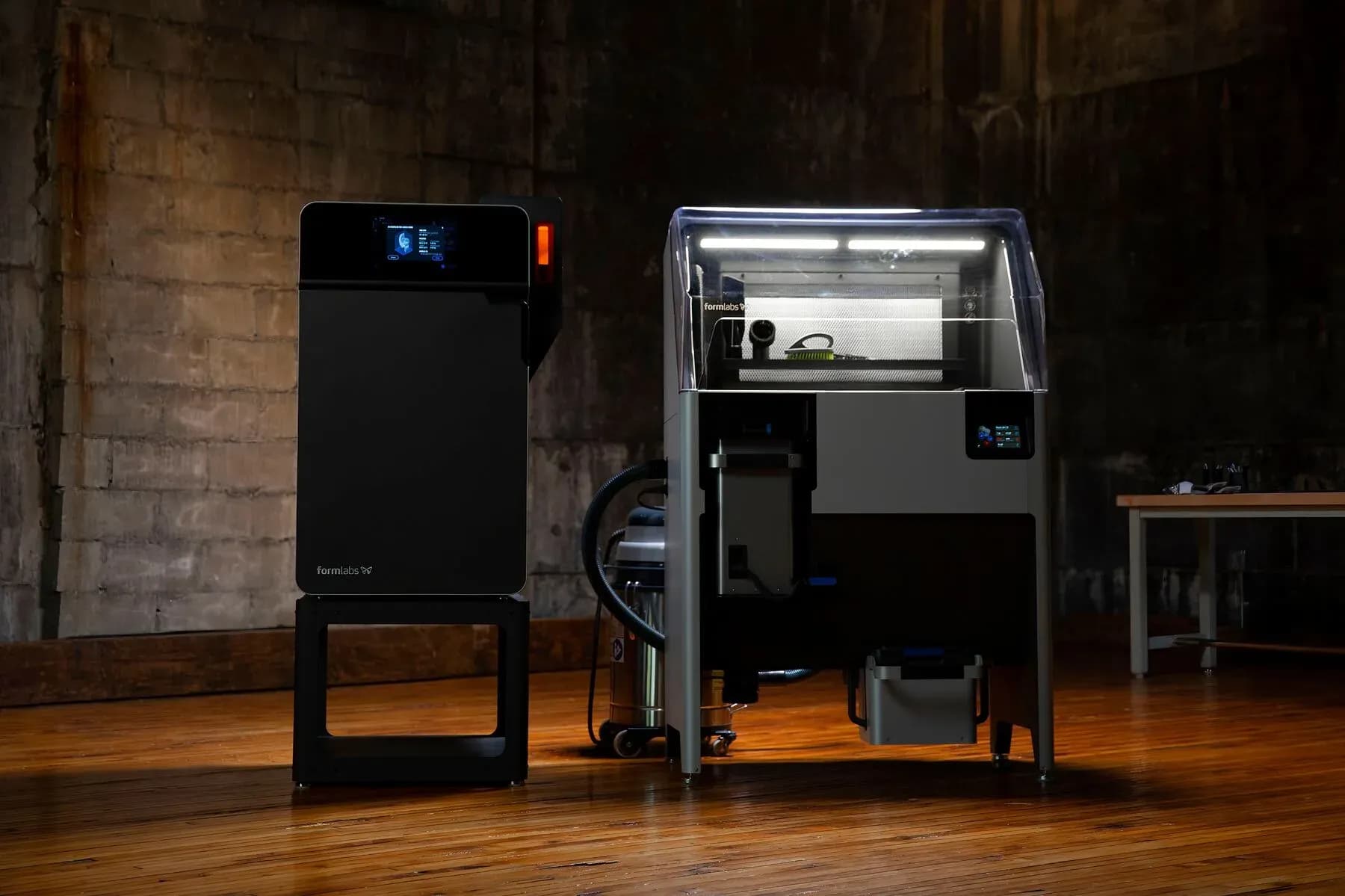
Choosing SLS or machining starts with function and drawing requirements. Powder offers shape freedom, but fits, threads and working surfaces may need extra operations or a different process. We review this before quoting.
First, one number that is not here
We do not declare one ± tolerance for every print. Recommended design values describe features and risks, not a guaranteed fit for the whole part. Specify critical dimensions, measurement references and inspection scope on a drawing.
Load-bearing threads
Printed threads, tapped threads and metal inserts are different solutions. Selection includes size, preload, load, temperature and disassembly cycles; specimen tensile strength alone does not set joint durability. For repeated disassembly, consider a metal insert or nut. Heat installation is an option for nylon; resin requires a separately agreed mounting method.
The sliding surface
For a sliding surface, give pressure, speed, mating material, lubrication and required operating time. A granular SLS surface may need finishing or a bushing. Gear meshing also involves contact and sliding; the mechanism's name alone does not establish dry operation or low noise.
Tight fit and large flat plate
A close-fit hole or flat plate needs measurement against an agreed reference. Orientation, thickness and chamber layout affect the result. Reaming, an insert, a rib or splitting the model may help, but the scope needs agreement. Without the model and requirements, we cannot assume machining one part will always cost less.
Transparency requires a change in process
Sintered PA12 is opaque. For a model with a view inside, consider SLA and Clear Resin V5 with agreed finishing. State leak-tightness, pressure or optical requirements separately.
What we do not accept at all
We do not accept safety-critical parts, including steering, braking and lifting people, medical devices or work requiring certification we do not hold. Choosing machining rather than printing does not expand our service scope.
Where to consider powder
Consider SLS for hard-to-machine geometry, an assembly with cleaning access, a series without new tooling or a reconstructed part. Review inserts, nuts and bushings against joint requirements. Installation and inspection are separate scope items; an uncertain feature calls for an agreed trial in the intended orientation. Send a model with a drawing and brief, or photos without a file.
Sources: Fuse Series SLS Design Guide, Formlabs: screw threads and inserts.